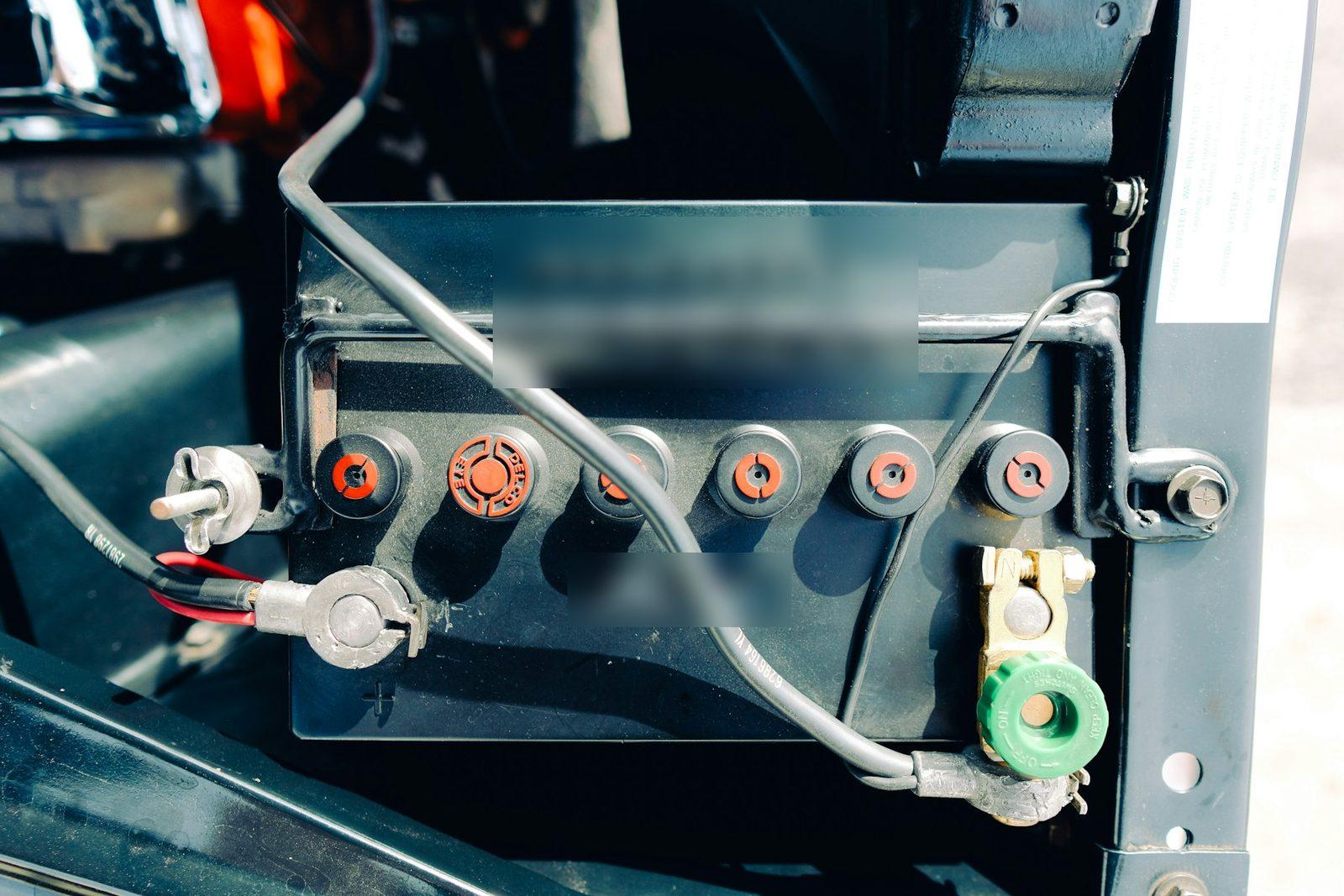
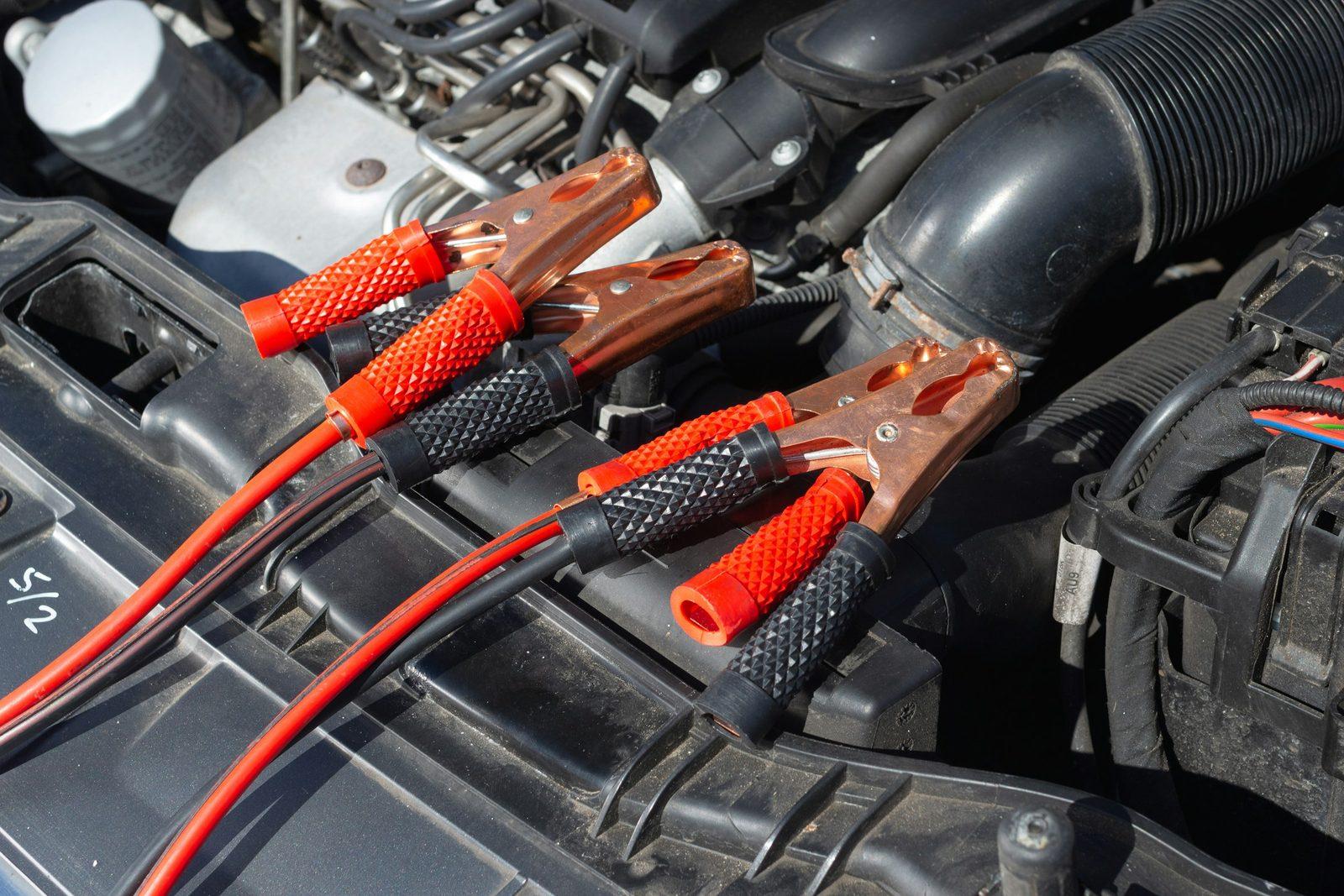
Yes, a car battery can be stored safely in the house, and a dry room indoors is one of the best places for it. Varta's advice on storing vehicle batteries calls a dry room in the house the optimal solution, with the battery standing upright in a ventilated spot where it can be charged, fully charged to between 12.7 and 12.8 volts before it goes into storage, and checked every two months.
No. A car with a SORN can't be parked on a public road. GOV.UK's SORN guidance says a vehicle is off the road only if you don't keep or use it on a public road, and gives a garage, a drive or private land as examples of where it can be. A SORN car left in the street is an untaxed car on a public road, and DVLA can fine the keeper and clamp or remove the car.
When you move abroad, you have three choices for your car. You can take it with you, sell it before you go, or keep it in the UK until you come back. Taking it out of the UK for 12 months or more counts as a permanent export, and GOV.UK sets out that you fill in the permanent export section of the log book, send it to DVLA and keep the rest to register the car in your new country. Selling means telling DVLA, which cancels the tax and refunds any full months left. Keeping it means the car must stay taxed and insured or be declared off the road with a SORN, and someone has to look after it while you're away.
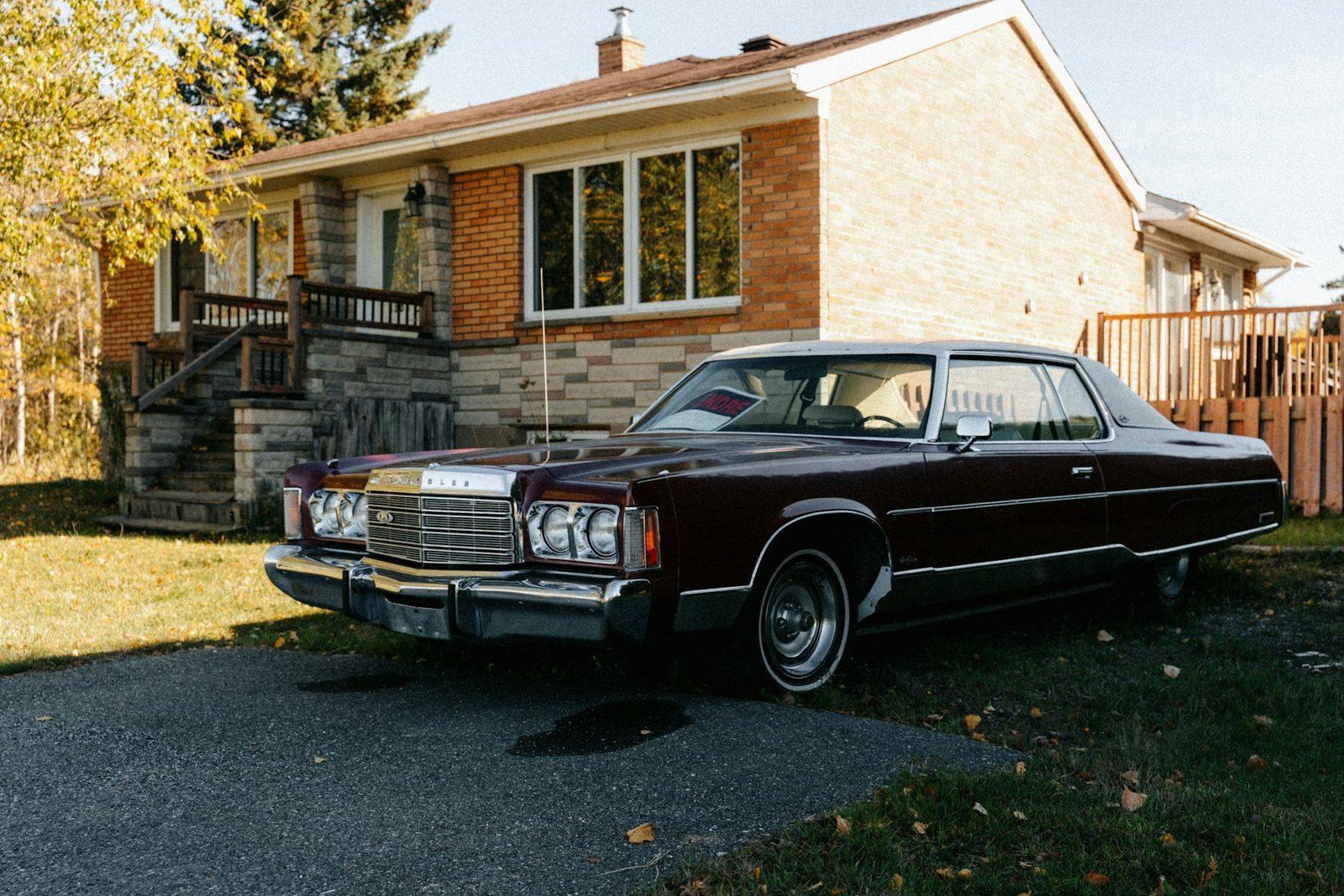
Your garage is good enough for storing a classic car if it stays dry through the winter, it's secure, it has a power socket for a battery conditioner, and there's room to move the car and work around it. Hagerty UK's winter storage advice is to keep a garage's relative humidity at around 55% with a dehumidifier, and the AA's laying-up advice is to make sure a garage has plenty of ventilation, or, for a classic, to seal it and run a dehumidifier instead. A garage that passes those tests, with someone to look after the car while it stands, is a good home for a classic.
A healthy car can usually sit for about two weeks without being driven and come to no harm. The RAC's advice, updated in January 2026, is that two weeks carries minimal risk to the battery, tyres, fuel or fluids, and the AA says most modern cars with a fairly healthy battery should last at least two weeks. Leave it for a month and the battery starts to weaken, the tyres can begin to flat-spot and lose pressure, and fuel can start to form a sludge in the lines. By three months those problems are worse, and the brakes can seize.
Car storage in the UK costs anything from under £20 a week for a lock-up garage to £35 a week or more for indoor storage where the car is looked after while it stands. There's no single national price, because you're paying for very different things. As two real reference points, Wealden District Council in East Sussex rents its garages at £15.50 a week, or £18.60 with VAT for non-tenants, and indoor storage with us costs £25, £30 or £35 a week, which is about £108, £130 or £152 a month.
Car storage is worth it for a car you rarely drive when the car matters to you, you have nowhere dry and secure to keep it at home, and it will stand for months at a time. It usually isn't worth it for a car you drive most weeks, or if you already have a dry, secure garage and are happy to look after the battery and tyres yourself. With us, storage costs £25, £30 or £35 a week depending on the package, which works out at about £108, £130 or £152 a month, with a minimum term of three months.
Yes. A car in storage needs insurance unless it has been declared off the road with a SORN. GOV.UK is clear that you must insure and tax a vehicle that doesn't have a SORN, even if it never leaves a garage, and that a vehicle which isn't insured, even for a short gap such as a delayed renewal, needs one. With a SORN in place, insurance stops being a legal requirement, but the car can still be stolen, damaged or caught in a fire while it stands.
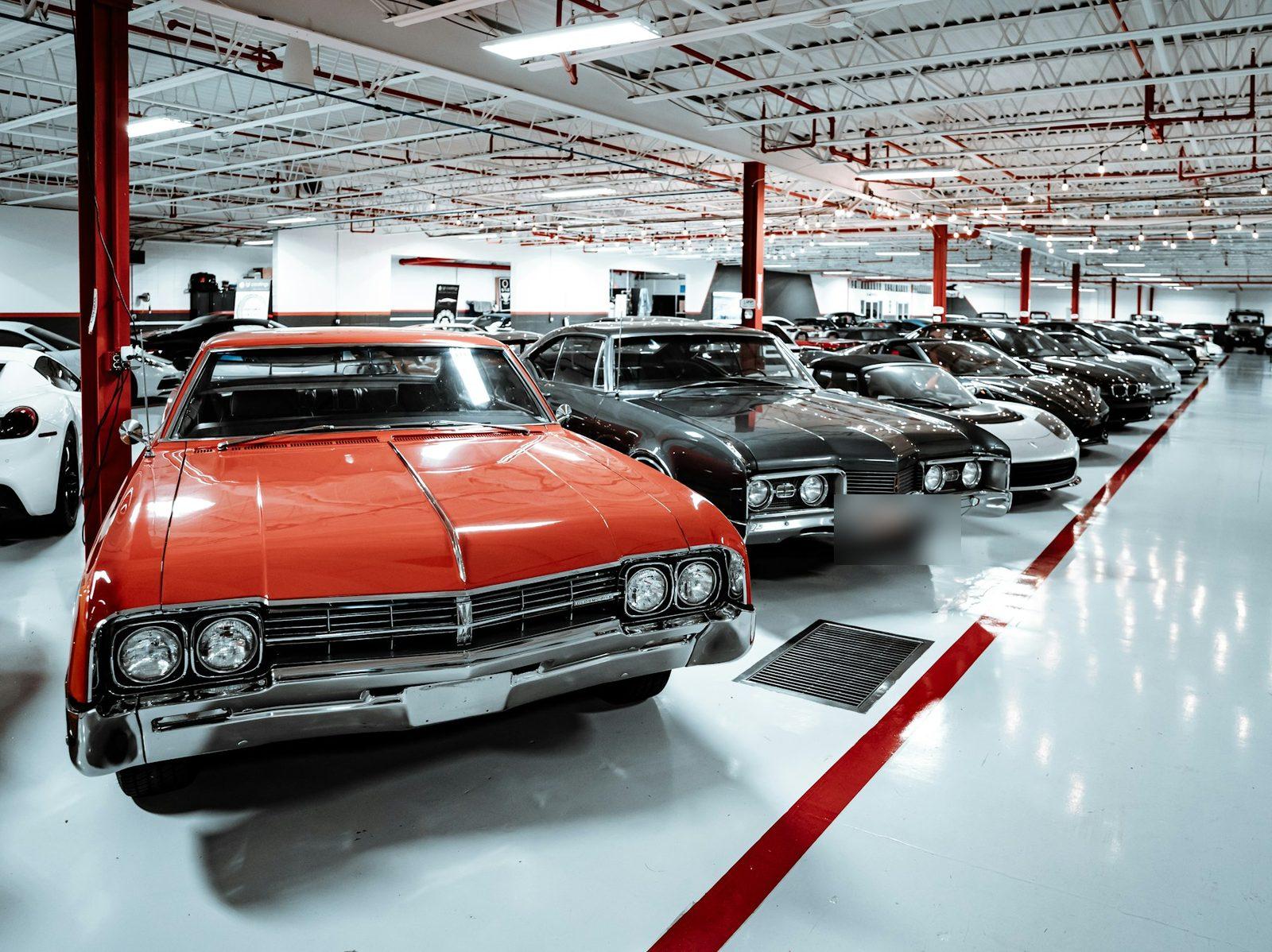
A good car storage facility keeps your car indoors, dry and secure, and looks after it properly while it stands. That means a battery kept charged or safely disconnected, tyres that are moved so they don't flat-spot, a breathable cover, and an engine that's run up to temperature if that's part of the arrangement. The practical terms matter just as much. Look at how much notice you need to give to get the car back, what the price includes, the minimum term, what the contract says, and who insures what.
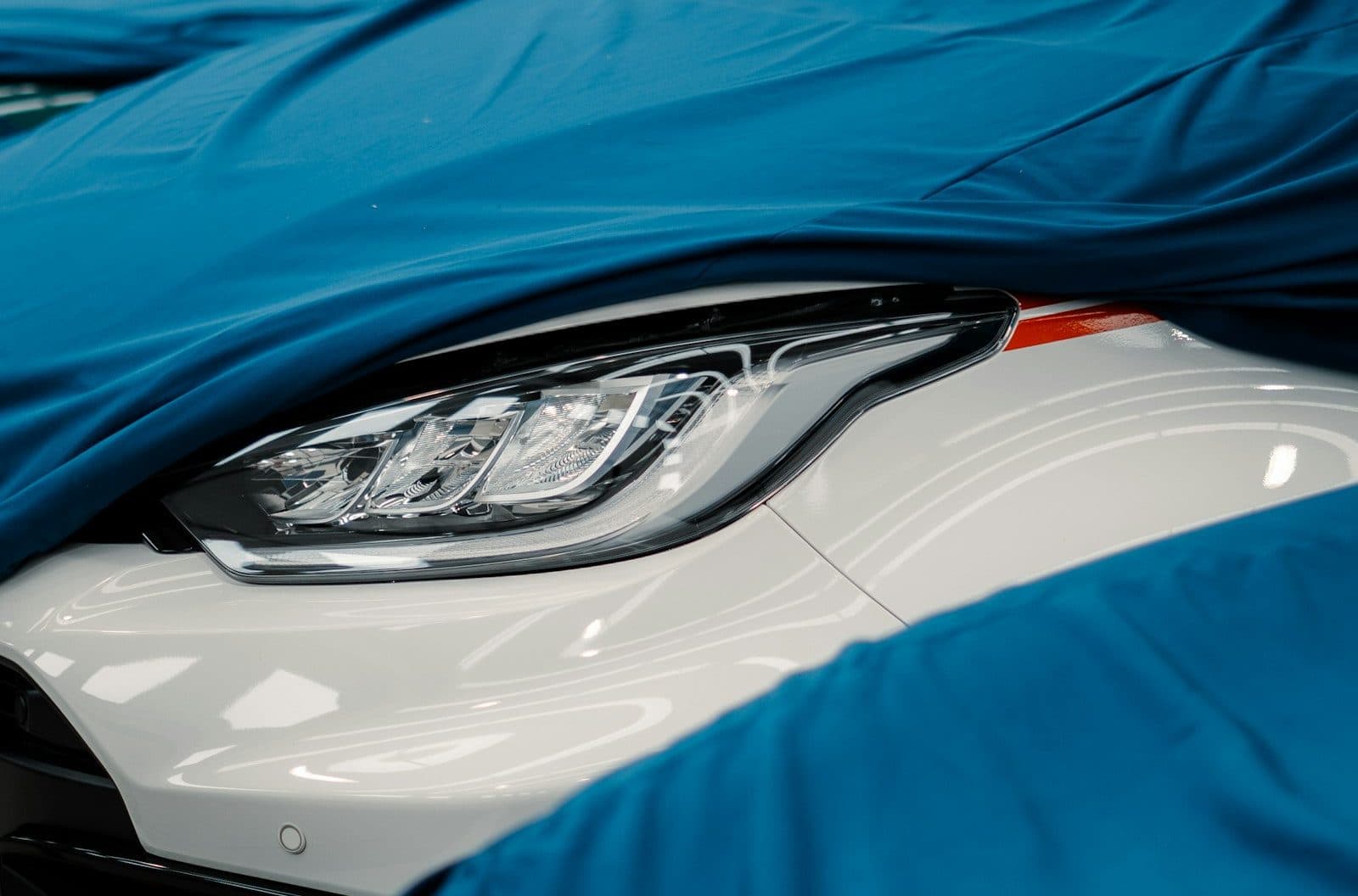
The best car cover for indoor storage is a soft, breathable dust cover that fits the car well. Hagerty UK's winter storage advice is that a cover should be lightweight, breathable and preferably tailored to the car, or elasticated to fit snugly. Indoors, a cover's job is to keep dust off the paint and protect it from knocks and scuffs while letting moisture escape. A heavy waterproof cover made for outdoor use is designed to keep rain off, and if it doesn't breathe it holds moisture against the paintwork instead of letting it go.
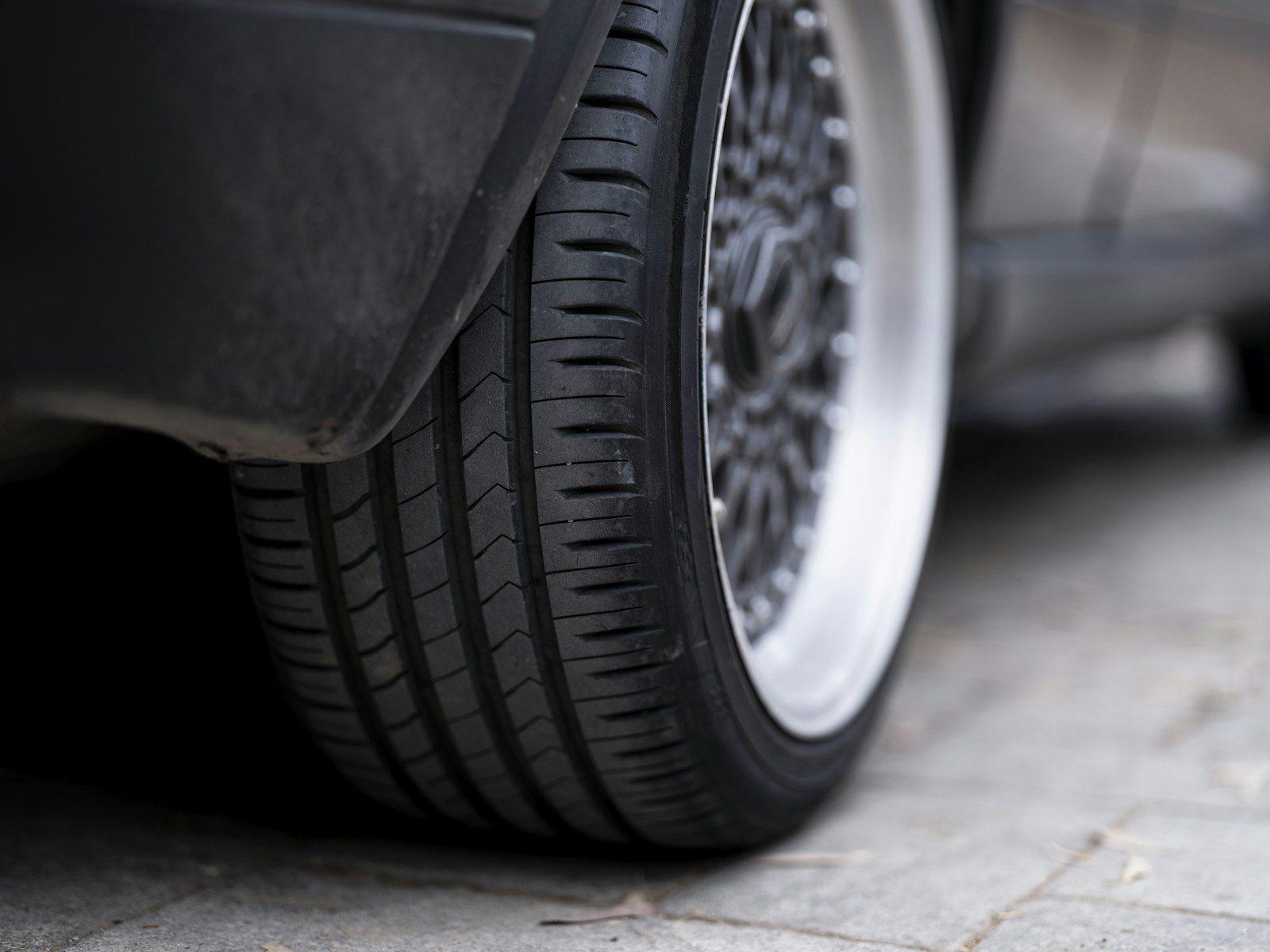
To prevent flat spots on tyres while a car is stored, stop the same patch of each tyre carrying the car's weight for weeks on end. Roll the car or turn the wheels regularly so a different part of the tread takes the load, keep the pressures where they should be and check them every month, and for a very long lay-up consider taking the weight off the tyres altogether. Keep the car somewhere cool, dry and out of direct sunlight, and check the pressures again before it's driven.
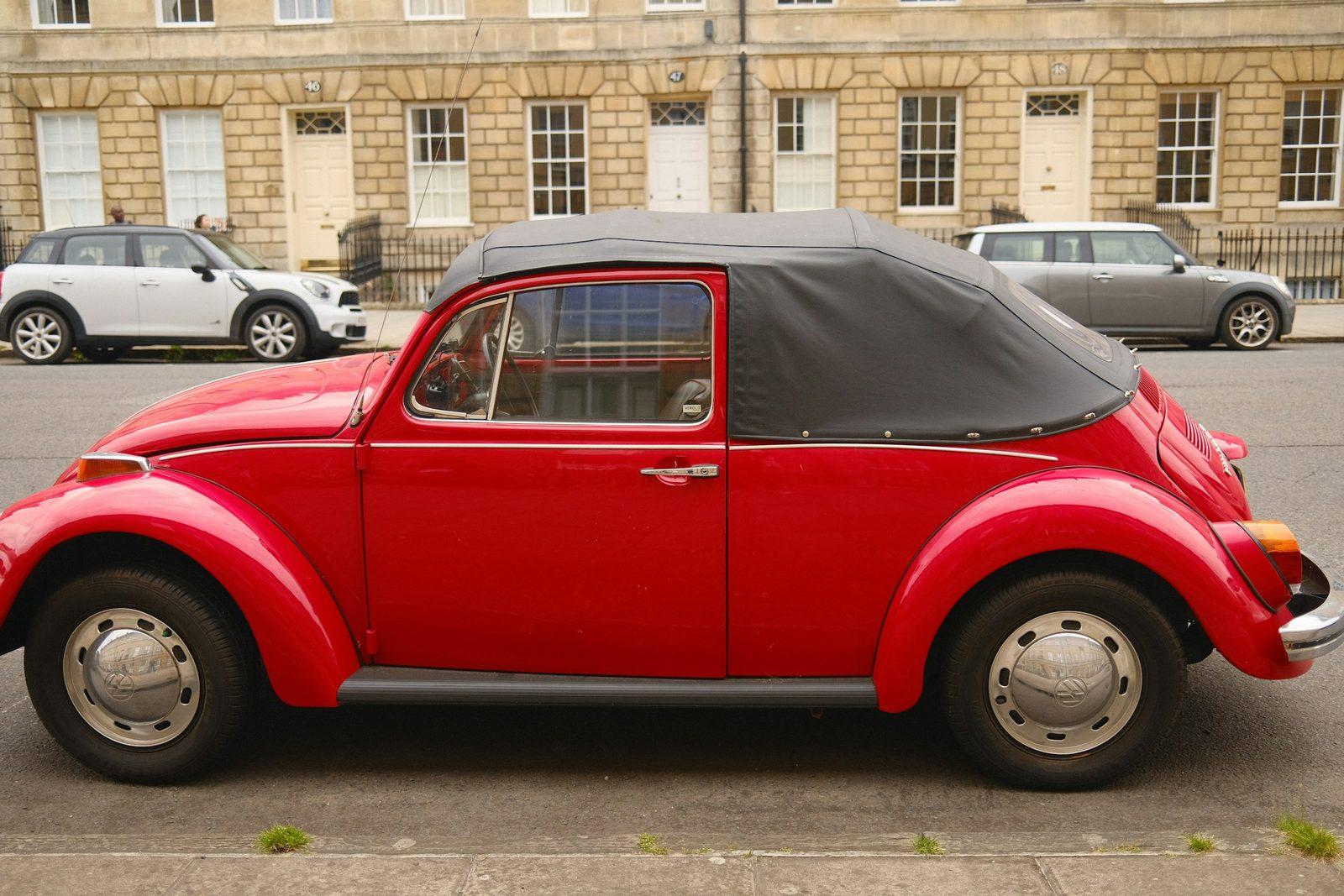
Store a convertible with the roof up, closed and latched, and make sure the roof is completely dry before you do. A fabric roof folded into its compartment for months sits in the same creases the whole time, and any damp in the folds has nowhere to go. Mazda's owner's handbook for the MX-5 warns that a roof which dries while folded will deteriorate and go mouldy. Hagerty UK's winter storage advice also says not to fold a soft top away for the winter, because the folds make an ideal place for mould to grow.
You only need to SORN a car in storage if you stop taxing it or stop insuring it. A car kept off the road, whether that's in a garage, on a drive or at a storage facility on private land, can stay taxed and insured instead. What it can't be is untaxed or uninsured without a SORN. GOV.UK is clear that a vehicle without a SORN must be taxed and insured, and that anyone who doesn't is automatically fined £80 for not having a SORN, with a separate fine for having an uninsured vehicle.
For a car going into storage for three months or more, keeping the battery connected to a smart battery conditioner is usually better than disconnecting it. Disconnecting stops the car's electronics draining the battery, but the battery keeps losing charge slowly on its own, and by the end of a winter it can be low enough to struggle or to have started deteriorating. A conditioner holds it at full charge the whole time, and the alarm, clock and settings carry on as normal.
If a stored car's battery is kept on a conditioner, it doesn't need starting at all for the battery's sake. If you do start it, once a month is enough, provided the engine runs until it is fully up to temperature. The routine to avoid is a quick start every week, with the engine switched off again after a few minutes. That puts moisture into the engine and exhaust without driving it back out, and it takes more charge from the battery than a few minutes of running puts back.
Preparing a car for winter storage comes down to a handful of jobs done properly. Wash it and dry it, underneath as well as on top. Decide how the battery will be kept healthy. Set the tyres to the right pressure. Sort out the tax and insurance, or declare the car off the road. Then keep it somewhere dry and secure, under a cover that lets moisture escape. Get those right and a car laid up in October should come out in spring in the condition it went in.