

Do you need insurance for a car in storage?
By Paul Smith, owner of Concept Car StoragePaperwork & law
Yes. A car in storage needs insurance unless it has been declared off the road with a SORN. GOV.UK is clear that you must insure and tax a vehicle that doesn't have a SORN, even if it never leaves a garage, and that a vehicle which isn't insured, even for a short gap such as a delayed renewal, needs one. With a SORN in place, insurance stops being a legal requirement, but the car can still be stolen, damaged or caught in a fire while it stands.
That leaves three realistic choices. Keep your normal policy and tell your insurer the car is being stored, switch to laid-up cover that protects the car while it's off the road, or declare a SORN and go without insurance. Our advice, the same as in our FAQs, is to keep your existing cover going and let your insurer know the car is being stored. Each choice suits a different kind of winter, and the MOT is where owners most often get caught out.
What the law says
A vehicle that is neither insured nor declared off the road breaks the law whether or not anyone drives it. GOV.UK's guidance on uninsured vehicles says the registered keeper of one can be fined £100, have the vehicle clamped, impounded or destroyed, or be taken to court and fined up to £1,000. A car tucked away in storage with a lapsed policy and no SORN is exactly that.
Driving without insurance is treated more seriously still. GOV.UK sets out that the police can give a driver a £300 fixed penalty and 6 penalty points, a court can impose an unlimited fine and a driving ban, and the police can seize, and in some cases destroy, the vehicle.
Keep your normal policy
Keeping your existing policy is the simplest choice and the one we recommend. The car stays covered for whatever the policy covers, it stays legal to drive, and nothing needs changing when you want it back on the road. That matters if you'd like the odd winter drive. Two of our check-out options are a drive out and back the same day and a few days away, and both need the car to be taxed and insured.
Tell your insurer the car is going into storage and where it will be kept. Policies ask where a car is kept overnight, and the policy documents set out which changes you have to report. If you're unsure, ask, and keep a note of who you spoke to and when.
We advise keeping your existing cover rather than letting it lapse under a SORN, because a SORN only removes the legal duty to insure. It does nothing about fire, theft or damage, and those are the risks a stored car still faces.
Laid-up cover
Laid-up cover is insurance for a car that is off the road and not being driven. Hagerty UK explains that it generally protects against fire and theft, and that it leaves out road risks, legal cover, third party damage and breakdown cover, so you aren't covered to drive the car on public roads. What's included varies from one insurer to another, so read the policy wording rather than assuming.
Laid-up cover suits a car going away for the whole winter with no plans to drive it. It suits an owner who might want a bright February drive far less, because the cover has to change before the car goes back on the road. Hagerty's advice is that you must amend your cover if your circumstances change, and contact your insurer before you drive the car again. Specialist classic car insurers offer it, and if your car is already insured with one, ask them first.
A SORN with no insurance
Going without insurance is legal once a SORN is in place. GOV.UK says you don't need to insure a vehicle that is kept off the road and declared as off the road. It's also the option that leaves you with nothing if the car is stolen, damaged or destroyed while it stands, and we don't recommend it for any car you'd want to repair or replace.
A SORN also cancels the car's tax and limits when it can be driven, so whether to SORN a car in storage depends mostly on whether you'll want to drive it before the spring.
The MOT trip catches people out
A car with a SORN can be driven on a public road to go to or from a pre-booked MOT or other test. That exemption is about the SORN, and it doesn't remove the need for insurance. Section 143 of the Road Traffic Act 1988 says a person must not use a motor vehicle on a road or other public place unless a policy of insurance is in force for that use. So a car on laid-up cover, or with no cover at all, needs road insurance arranged before it's driven to its test. Laid-up cover alone won't do, because it excludes road use.
The easiest way round it is to plan the MOT around the lay-up. GOV.UK allows an MOT up to a month, minus a day, before the current one runs out while keeping the same renewal date. A car due for its test in November can often be tested in October, before it goes into storage and while its normal policy is still running.
What a storage facility's insurance covers
Ask any storage facility what its own insurance covers before you book, and get the answer in writing. Don't assume it covers the full value of your car, or covers your car at all. It's one of the questions worth putting to any car storage facility before you sign, along with the notice period, the minimum term and how the cars are looked after.
Our position is the one in our FAQs. We advise every owner to keep their own insurance going and to tell their insurer the car is being stored. Anything left inside the car is at the owner's risk, so take out anything of value before the car is checked in.
Classic and valuable cars
For a classic, or any car that would be hard to replace, check how the policy values it. Some policies pay an agreed value fixed when the cover starts, while others pay the market value at the time of a claim, and the gap between the two can be large for a rare car. If the car has gone up in value since the policy began, tell your insurer before it goes into storage rather than after something happens.
Free vehicle tax doesn't change any of this. GOV.UK's guidance on historic vehicles says a car built before 1 January 1986 can stop paying vehicle tax from 1 April 2026, once its owner applies for the exemption. The insurance rules are the same as for any other car.
Insurance and storing with us
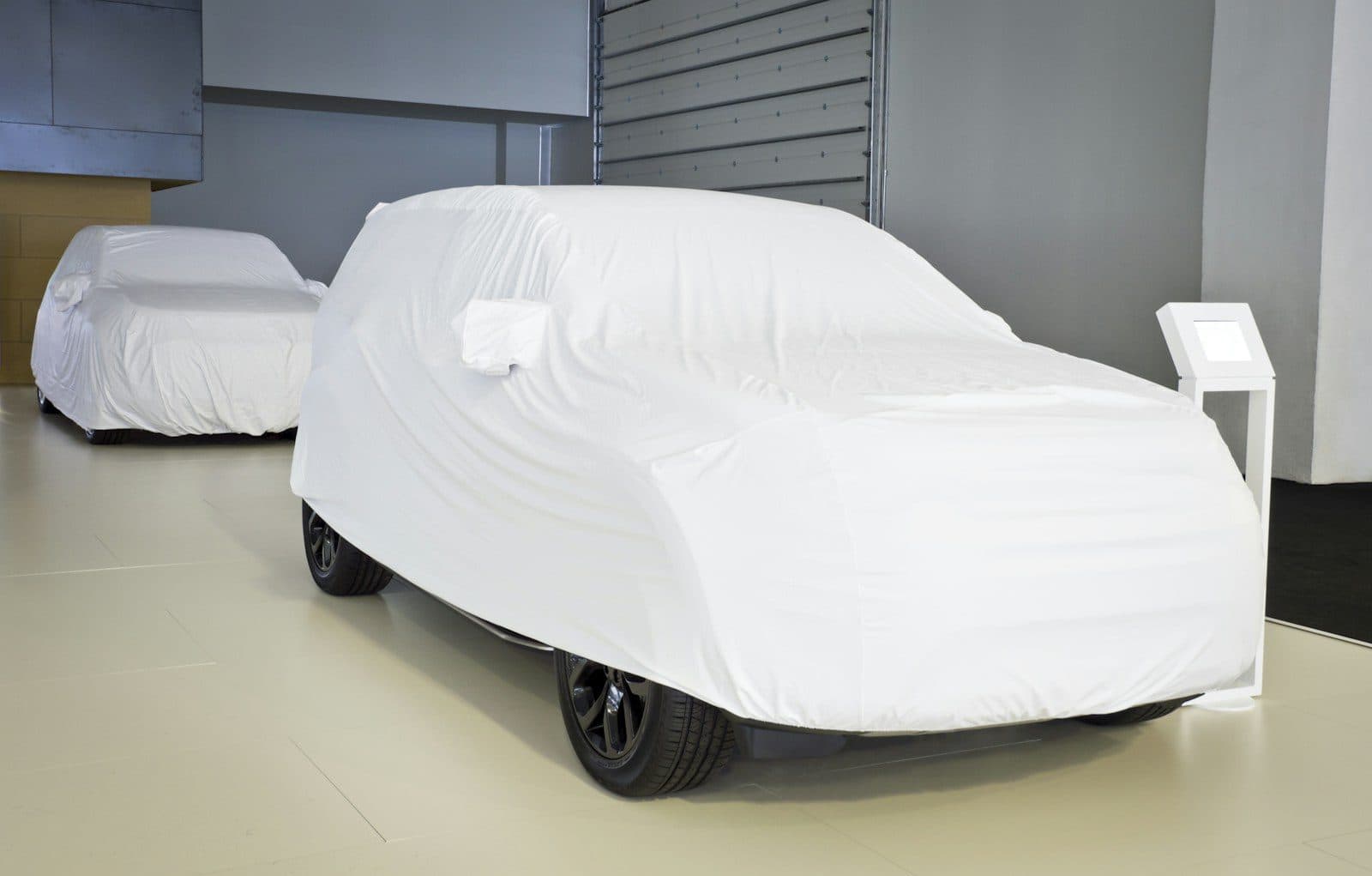
Every car we store is kept indoors in a dry building with an alarm set around the clock, the facility is manned seven days a week, and every car goes under a cotton cover with its tyres rolled regularly. Our packages run from £30 to £40 a week, with a minimum term of three months. None of that replaces your own insurance, which is why we ask owners to keep it going.
Sorting out the insurance is one of the first jobs in preparing a car for winter storage, alongside the battery and the tyres. If the car is on laid-up cover or has a SORN, sort out its insurance and tax before the day you want it back. Then give us 24 hours' notice through the check-out form, by phone or on WhatsApp.
Book a space for the winter
If you're laying a car up this winter, get in touch to book a space and tell us about the car. We store modern and classic cars of every kind at our facility just off the A21, 10 miles from Tunbridge Wells.
This article is about our what we store service. Find out more about what we store.