
What to look for in a car storage facility
By Paul Smith, owner of Concept Car StorageStorage tips
A good car storage facility keeps your car indoors, dry and secure, and looks after it properly while it stands. That means a battery kept charged or safely disconnected, tyres that are moved so they don't flat-spot, a breathable cover, and an engine that's run up to temperature if that's part of the arrangement. The practical terms matter just as much. Look at how much notice you need to give to get the car back, what the price includes, the minimum term, what the contract says, and who insures what.
The best way to judge a facility is to ask specific questions and then go and look for yourself. These are the questions worth putting to any car storage facility, with our own answers alongside so you can compare like with like.
Indoors and dry
Damp is the first thing to ask about. Hagerty UK calls moisture an invisible enemy of a stored car and suggests keeping the relative humidity of a garage at around 55%. Metal, paint, leather and rubber all suffer when moisture sits on them for months.
Ask whether the cars are kept inside a building, whether that building stays dry all year, and what happens about damp. On a visit, use your eyes and your nose. Condensation on windows or a musty smell will tell you more than a brochure.
Our answer is that every car is kept indoors, in a dry, secure building, under a luxury cotton cover.
Security, and who can see the cars
Ask what security is in place, whether it covers the site around the clock, and whether anyone is on site. Ask who has access to the building and how visitors are handled. Discretion counts as well. A facility that keeps its address private gives away less about where valuable cars are kept.
Our building has an alarm that is set 24 hours a day, and the facility is manned seven days a week. We don't publish our address. Anyone thinking of storing with us is welcome to look round by arrangement, but we ask for ID, and during a visit we don't remove any car's cover or allow photographs or filming. Those rules apply to every visitor, so once your car is with us they protect it too.
How the car is looked after while it stands
Ask exactly what is done to each car, how often, and what is included in the price rather than charged as an extra.
The battery comes first. A car left with its battery connected and nothing to maintain it can easily be flat by spring, so ask whether batteries are disconnected or kept on a conditioner, and whose conditioner it is. Whether to disconnect a car battery for storage depends on how much the car relies on its electrics. With us, Storage Type A at £30 a week is for owners who disconnect or remove the battery themselves, and on Type B at £35 a week the car stays connected to the owner's own conditioner.
Ask whether engines are run, how often and for how long. A quick start of a few minutes does more harm than good, and how often a stored car should be started matters less than whether each run goes all the way up to temperature. Our Type C package, at £40 a week, adds a monthly engine run to temperature, and a private road on site means engines can be run without a car going out onto a public road.
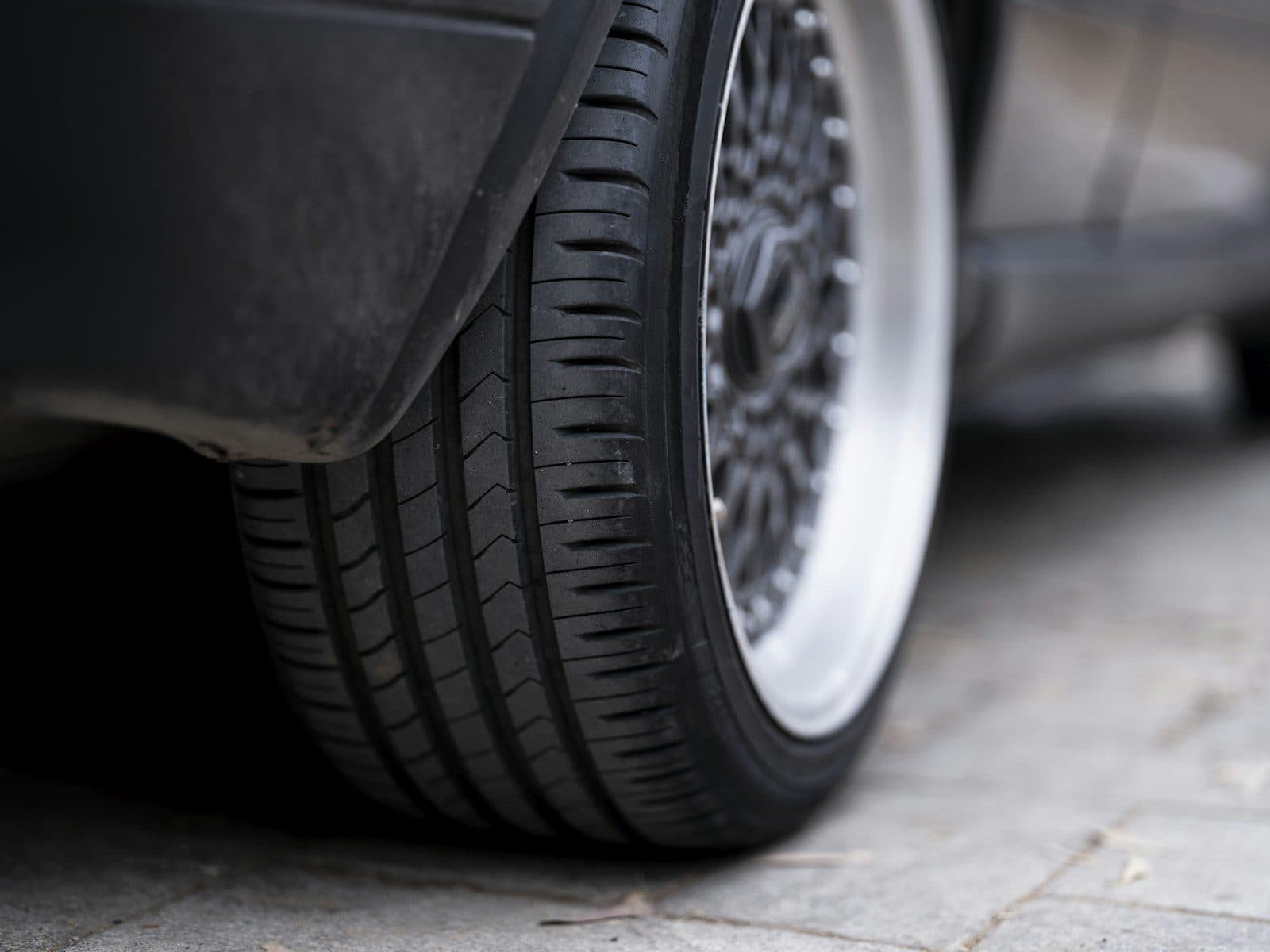
Ask about tyres. A car that stands on the same patch of tyre for a month or more can develop flat spots that don't drive out. We roll the tyres of every car regularly, on every package.
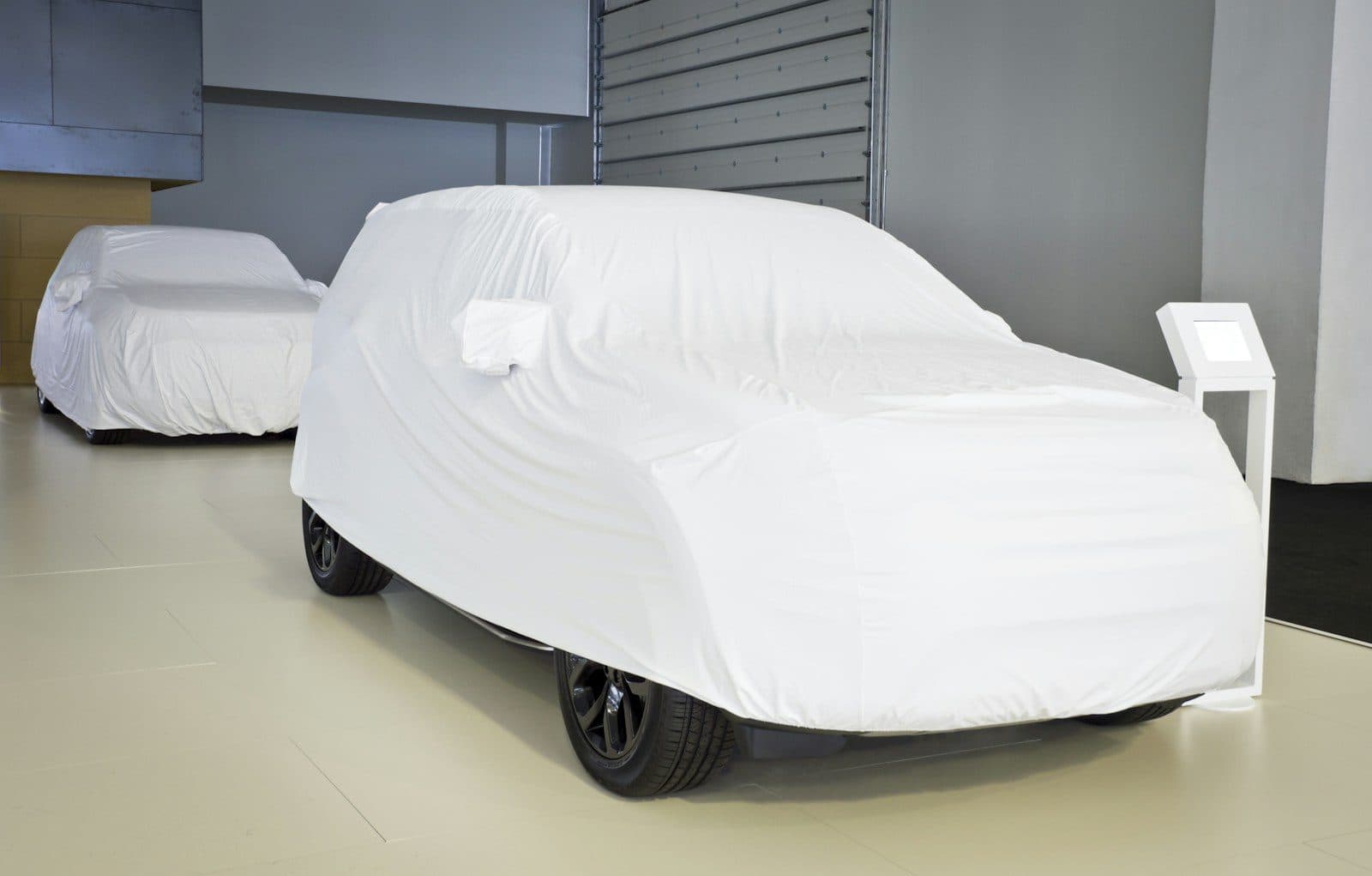
Ask about covers. A soft, breathable cover suits a car stored indoors, and plastic sheeting doesn't. Every car we store goes under a cotton cover that we supply, and owners can use their own fitted cover instead, ideally one made for indoor storage.
Getting your car back
Ask how much notice is needed, how you ask for the car, and what the opening hours are. Ask whether you can take the car out for a day and bring it back, and where your everyday car goes while you do. A facility that is hard to get into is fine for a car laid up all winter, but frustrating for one you'd like to drive on a bright Sunday in February.
We need 24 hours' notice, which you can give through the check-out form, by phone or on WhatsApp, and most of our customers use WhatsApp. We're open Monday to Friday from 8am to 5pm, with weekends by appointment. You can take a car out permanently, for a drive and back the same day, or away for a few days, and there's guest parking for your daily driver while it's out. A car you want to drive during the winter needs to stay taxed and insured, so think about that before deciding whether to SORN a car in storage.
Insurance and personal belongings
Ask what the facility's own insurance covers, if anything, and tell your insurer before the car goes in. A stored car still has to be insured unless it has been declared off the road with a SORN, and GOV.UK sets out the penalties for one that is neither, which run from a £100 fine to clamping, impounding or a court fine of up to £1,000.
Our advice, in our FAQs, is to keep your existing insurance going and to tell your insurer the car is being stored. Anything left inside the car is at the owner's risk, so it's worth taking out anything of value before the car is checked in.
The contract, the price and the minimum term
Read the agreement before you sign it. Check the price and what it includes, the minimum term, how much notice you need to give to end the arrangement, and what any extras cost.
If you're storing a car as a private individual, the Consumer Rights Act 2015 says a business supplying a service must perform it with reasonable care and skill. Section 50 of the same Act goes further. What a business says or writes to you about itself or its service, and you take into account when deciding to sign, is treated as a term of the contract. So the answers you're given to the questions above count, and it's worth having the important ones in writing.
Our three packages are £30, £35 and £40 a week, with the full details on our pricing page, and every package has a minimum term of three months. The storage agreement is signed on site when the car is checked in.
Visit before you decide
Photographs show what a facility wants you to see, so go and look if you can. A careful facility will show you round, though it may ask for ID and it may not let you see under other customers' covers, which shows it protects the cars already in its care. Look at whether the building is dry and tidy, whether the cars are covered, and whether the people showing you round can answer the questions above without hesitating.
Visits to our facility are by arrangement, on the terms above.
Getting there, and the extras
You'll make the journey at least twice, once to drop the car off and once to collect it. Ask how far the facility is from you, how you'll get home after dropping the car off, and whether the car can be collected and delivered for you.
We're just off the A21, 10 miles from Tunbridge Wells and 2 miles from a mainline railway station, in the East Sussex countryside on the Kent border. We can arrange transfers to and from the airport or the station, and if bringing the car over is awkward, we can collect it and deliver it back. The car can be valeted ahead of collection. For a longer visit, luxury accommodation can be arranged, collectors who want a space of their own can rent a private building, and helicopter landing can be arranged in advance.
Book a space or arrange a visit
If you're weighing up where to keep a car this winter, get in touch to book a space, or call or WhatsApp us to arrange a visit first and put any of these questions to us. We look after modern and classic cars of every kind, and there's more about who we are and how we work on our About page.
This article is about our what we store service. Find out more about what we store.