
Which car cover is best for indoor storage?
By Paul Smith, owner of Concept Car StorageStorage tips
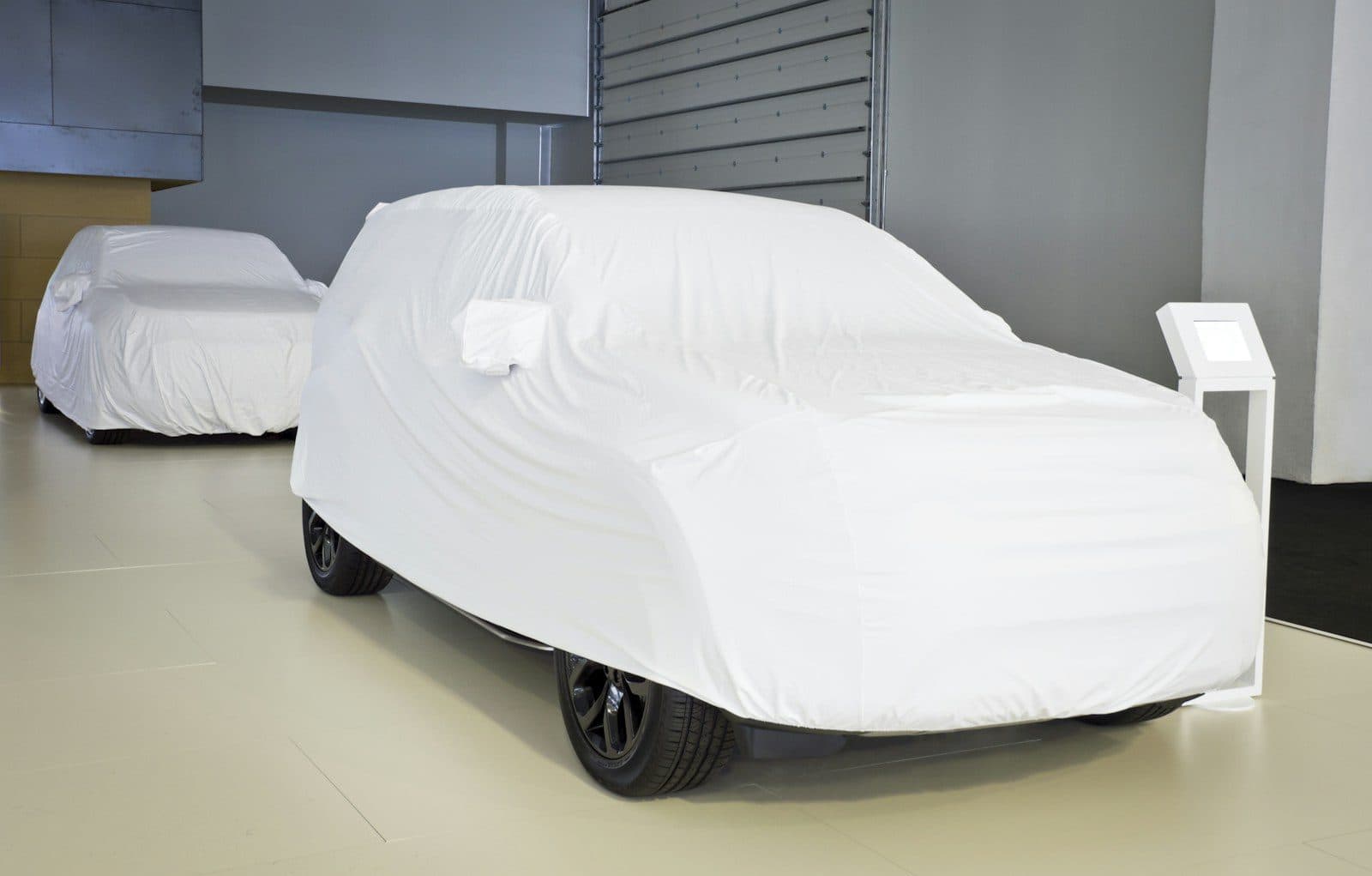
The best car cover for indoor storage is a soft, breathable dust cover that fits the car well. Hagerty UK's winter storage advice is that a cover should be lightweight, breathable and preferably tailored to the car, or elasticated to fit snugly. Indoors, a cover's job is to keep dust off the paint and protect it from knocks and scuffs while letting moisture escape. A heavy waterproof cover made for outdoor use is designed to keep rain off, and if it doesn't breathe it holds moisture against the paintwork instead of letting it go.
That's why every car we store goes under a luxury cotton cover, which we supply. Owners who would rather use their own fitted cover are welcome to bring it. Whichever cover a car wears, how it's put on matters as much as the fabric, and in a damp building no cover will keep a car dry.
What an indoor cover is for
Inside a dry building, a cover has a simple job. Dust settles on a car that stands for months, and a cover keeps it off the paint, so the car doesn't need a wash the day it comes out. It protects the paintwork from a sleeve, a bag or a tool brushing past, and it keeps light off the paint and the interior.
An indoor cover isn't built for weather. Most are thin, soft fabrics that aren't designed to keep rain out, so one used outside soon gets wet through. Outdoor covers are a different product made for a different job, and a cover that's right for a car parked on a drive is rarely the best choice for a car kept in a building.
Why breathability matters most
Condensation is the reason. The Met Office explains that dew forms when a surface cools to below the dew point of the air next to it, and that the roofs of cars are among the surfaces it forms on most easily. A car in an unheated building warms and cools more slowly than the air around it, so when mild, damp air follows a cold spell, the car's panels can still be colder than the air touching them, and moisture settles on them.
A cover that lets water vapour through allows that moisture to dry off. A cover that doesn't, such as a plastic sheet, holds it against the paint, the chrome and the seals for as long as the cover stays on. That's why a polythene dust sheet or a tarpaulin is the wrong thing to throw over a stored car, even indoors.
Soft on the inside
The inside of the cover is the part that touches the paint, so it should be soft. A smooth or brushed cotton face is gentle on paintwork, and good synthetic indoor covers have a soft lining for the same reason. Run your hand over the inside before you buy, and avoid anything with a stiff or rough backing, especially on a car with fresh or original paint.
Fitted or universal
A fitted cover is cut to the shape of one model, often with pockets for the mirrors, so it sits close to the body with little loose fabric. A universal cover is sized to suit a range of cars, which makes it cheaper and easier to find, but it fits more loosely. Hagerty's preference is a cover tailored to the car or one elasticated to fit snugly. Loose fabric moves, catches on mirrors and aerials, and lets dust in around the edges.
For a car that stays put all winter in a dry building, a good universal cover with an elasticated hem does the job. For a car that's covered and uncovered often, or a shape a universal cover sits badly on, a fitted cover is worth the extra cost.
Cotton or synthetic
Cotton breathes well and is soft against paint, which is why it's what we use. Synthetic indoor covers made from polyester or polypropylene blends are lighter, and many are also designed to breathe. Either works if the label says breathable, the inside is soft, and the cover is made for indoor use.
In our experience, a soft cotton cover works better than a heavy waterproof outdoor cover for a car stored indoors, because inside a building there's no rain to keep off, and what the car needs is for any moisture under the cover to escape.
Put it on a clean, dry car
A cover traps whatever is on the car underneath it. Grit left on the paint can be rubbed into it as the cover goes on and comes off, and bird droppings or tree sap have months to mark the finish. Wash the car before it's covered, then dry it properly, including the door shuts, the sills and the seals, because water left there has nowhere to go once the cover is on. Inside, the AA's advice is to raise or take out the carpets and dry them thoroughly if you suspect damp. Washing and drying are the first jobs in preparing a car for winter storage, alongside the battery, the tyres and the paperwork.
A soft top should be up, latched and completely dry before it's covered, because a roof stored folded or damp can crease and go mouldy.
Putting it on and taking it off
Lift the cover on and off rather than dragging it across the paint. Retract or remove the aerial first if the car has one. Unfold the cover from front to back over the roof, hook it over the mirrors, then draw the edges down the sides and under the bumpers. When it comes off, fold the sides up onto the roof and roll it from one end, so the dusty outside folds in on itself and never touches the paint.
Keep the cover itself clean as well. Dust and grit on the inside end up on the car, so wash the cover as its label says and let it dry completely before it goes back on.
A cover can't fix a damp building
The building does more to keep a car dry than any cover. Hagerty's advice for a car stored in a garage is to keep the relative humidity at around 55% with a dehumidifier, and to put silica gel packs or baking soda in a footwell to soak up moisture. The AA adds that a garage should have plenty of ventilation, or for a classic, be sealed and run with a dehumidifier instead. If the building itself is damp, no cover will keep the car dry, and a breathable one simply lets the damp air through.
At our facility every car is kept indoors in a dry, secure building with an alarm set around the clock, so the cover's work is mainly keeping the dust off.
Covers at our facility
Every car in our care goes under a luxury cotton cover, which we supply, and as our FAQs say, you're free to use your own fitted cover if you'd prefer. If you bring your own, make sure it's clean and made for indoor use. Covers stay on during visits. We're happy to show people round by arrangement, with ID, but we don't remove any car's cover or allow photographs or filming during a tour, which protects every car stored with us.
The cover is one part of how a stored car is looked after. The tyres are rolled regularly so they don't develop flat spots, and depending on the package, the battery is disconnected by the owner or kept on the owner's own conditioner, with a monthly engine run to temperature on Type C. Our three packages run from £30 to £40 a week, with a minimum term of three months. If you'd like the car valeted before you collect it, a professional valet can be arranged when you check it in or with a call beforehand.
Book a space
If you're looking for somewhere dry and secure to keep a car this winter, get in touch to book a space. We store modern and classic cars of every kind just off the A21, 10 miles from Tunbridge Wells, and the facility is manned seven days a week.
This article is about our what we store service. Find out more about what we store.