
Is your garage good enough for storing a classic car?
By Paul Smith, owner of Concept Car StorageStorage tips
Your garage is good enough for storing a classic car if it stays dry through the winter, it's secure, it has a power socket for a battery conditioner, and there's room to move the car and work around it. Hagerty UK's winter storage advice is to keep a garage's relative humidity at around 55% with a dehumidifier, and the AA's laying-up advice is to make sure a garage has plenty of ventilation, or, for a classic, to seal it and run a dehumidifier instead. A garage that passes those tests, with someone to look after the car while it stands, is a good home for a classic.
The tests that matter are damp, power, space, security, and whether anyone is there to check the car for weeks at a time. Going through each in turn shows how to store a classic car in a garage properly, whether yours is up to the job, what's worth changing before the car goes away for the winter, and when storing it elsewhere makes more sense.
Damp is the first test
Damp does its damage slowly and out of sight. Condensation forms when a surface cools below the dew point of the air next to it, as the Met Office explains, and an unheated garage is exactly where a cold car meets mild, damp air after a frosty night. Water that settles on the metal, the chrome and the seals, and soaks into the carpets, is how rust and mould start.
To check a garage, look for condensation on the inside of the windows on a cold morning, a musty smell, and tools or anything metal that has started to rust. A cheap humidity meter left in the garage for a few weeks gives a better answer than a guess, and Hagerty's figure of around 55% is a sensible line to aim for. If the reading is well above it, a dehumidifier is the first thing to add, and Hagerty also suggests silica gel or baking soda in a footwell to soak up moisture inside the car.
The AA gives two ways of keeping a garage dry. One is plenty of ventilation, so damp air doesn't sit. The other, which it suggests for classic cars, is to seal the garage and run a dehumidifier instead. What doesn't work is a garage that is neither, with the door shut tight and nothing taking the moisture out.
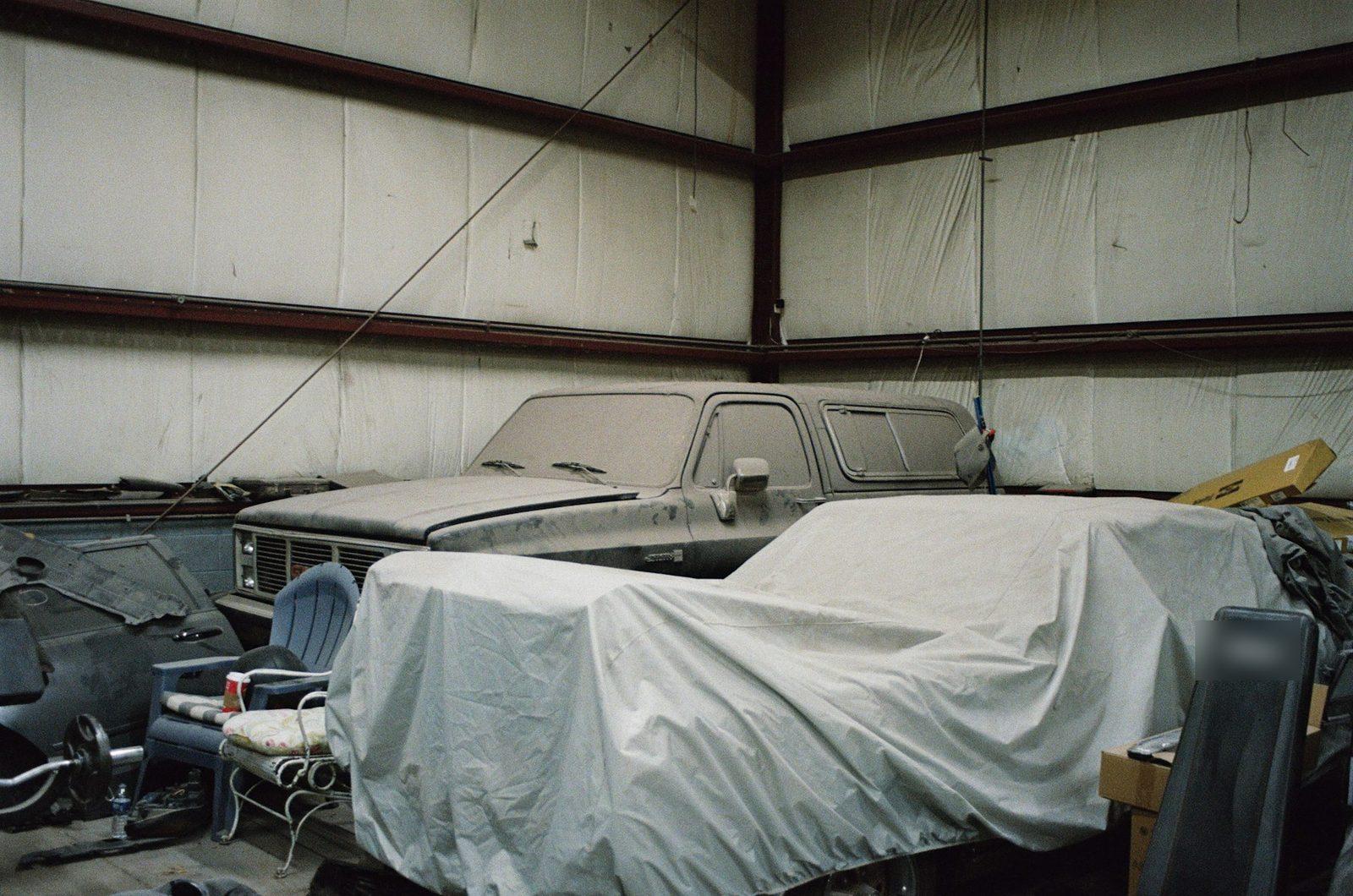
A cover can't fix the building
A breathable cover keeps dust off and lets moisture escape, but it can't make a damp garage dry. A plastic sheet makes things worse, because it holds the moisture against the paint. Which car cover is best for indoor storage comes down to a soft, breathable one that fits, in a building that's dry to begin with.
Power for a battery conditioner
A battery left to itself over a winter loses charge, and one left low for long enough can be ruined. A battery conditioner, which tops the battery up only when it needs it, is the answer for most cars, but it needs a socket in the garage. Whether to disconnect a car battery for storage is the alternative for a car with little in the way of electrics, but even then the battery needs charging somewhere. If your garage has no power, that's worth sorting before the winter.
Room to work around the car
A garage that only just takes the car makes everything else harder. You need room to open the doors and air the interior, to lift the cover on and off without dragging it, and to move the car so the tyres don't sit on the same patch all winter. Tyres that stand under load for a month or more can develop flat spots that normal driving won't remedy, as Continental explains, and how to prevent flat spots on tyres starts with being able to roll the car.
Security
Think about how easy the garage would be to get into, and what a thief would find. A strong door and a good lock come first, then an alarm if the garage has one or can be linked to the house. Keep the car's keys away from the garage and out of sight.
Tell your insurer where the car is kept overnight, because policies ask, and whether you need insurance for a car in storage depends mainly on whether you'll want to drive it before the spring.
Fumes and fuel
Never run a car's engine in a closed garage. The NHS warns that running a vehicle engine in an enclosed space such as a garage can cause a build-up of carbon monoxide, which has no colour or smell. Open the doors fully first, or run the car outside. A monthly run is only worthwhile if the engine runs all the way up to temperature, and how often a stored car should be started matters less than how long it runs each time.
Garages also tend to collect fuel cans. The HSE's guidance is that you can keep up to 30 litres of petrol at home without telling your local petroleum enforcement authority, in plastic containers of up to 10 litres or metal ones of up to 20 litres, never in the living accommodation, and with a direct exit to the open air if it isn't stored outside.
Pests
A car that stands for months can attract rodents and insects, and the RAC lists an infestation among the risks of leaving a car for a long time. The AA's checks before using a laid-up car include making sure nothing has nested under the bonnet or chewed through the pipes and hoses. Keep the garage clear of food and anything that makes a good nest, and look under the bonnet now and then through the winter.
What a garage can't do on its own
Even a dry, secure garage needs someone to do the looking after. The battery needs its conditioner, the tyres need moving, the pressures need checking, and if the engine is to be run, it needs running properly. That's easy if the garage is beside the house and you're at home all winter. It's harder if the garage is a rented lock-up across town, or you're away for weeks at a time.
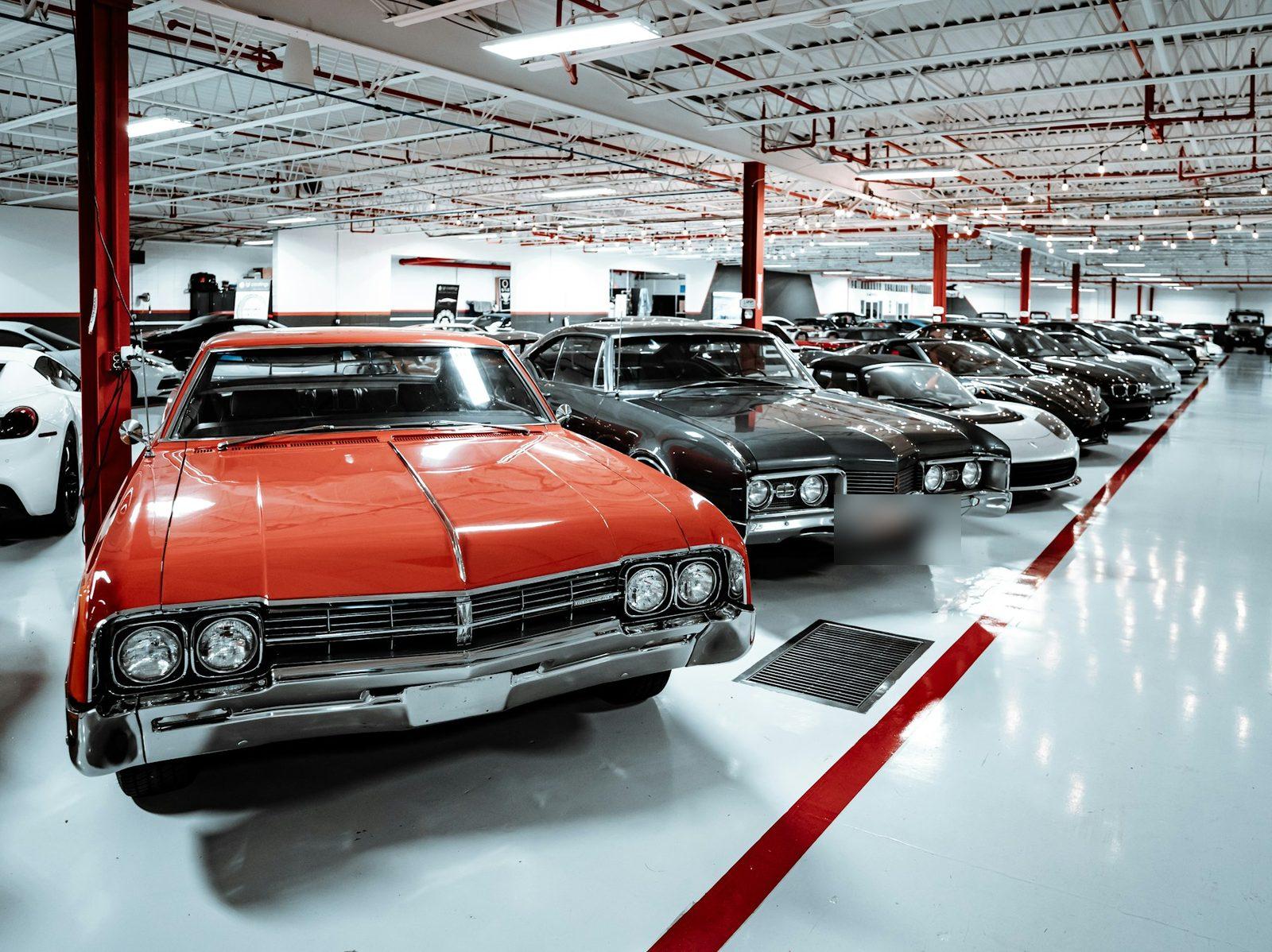
That's the point at which storage elsewhere earns its cost. Classic car storage with us keeps the car indoors in a dry building with an alarm set around the clock, under a luxury cotton cover, with its tyres rolled regularly and the facility manned seven days a week. On Storage Type B, at £30 a week, the car stays connected to its owner's conditioner, and Type C, at £35 a week, adds an engine run once a month up to temperature, with a private road on site so engines can be run without a car going onto a public road. Type A, at £25 a week, is for owners who disconnect or remove the battery themselves. Every package has a minimum term of three months, and the full details are on our pricing page.
Talk to us about your classic
If your garage doesn't pass, or you'd rather not do the winter's looking after yourself, get in touch to book a space and tell us about the car. You're welcome to look round first by arrangement, and we're just off the A21, 10 miles from Tunbridge Wells. If bringing the car over is awkward, we can collect it and deliver it back.
This article is about our classic car storage service. Find out more about classic car storage.
Ask us a question
Want to check there's space, or which package suits your car? Send us a quick message and we'll get back to you, or message us on WhatsApp.